


Video footage without analysis is a TV you never turn on
Match of the day
Recording games is the norm in youth football these days. Most weekends, touchlines have a camera on a tripod or handheld mobiles taking it all in. Afterwards, footage is uploaded, parents log in, watch their child for a few minutes, share clips in family chats or on socials, and that, very often, is the end of it.
There’s nothing wrong with this. Watching your child play is one of the real joys of being a football parent. But if you’ve spent money on equipment or a recording subscription, or are considering it, it’s worth asking: What is the footage actually for?
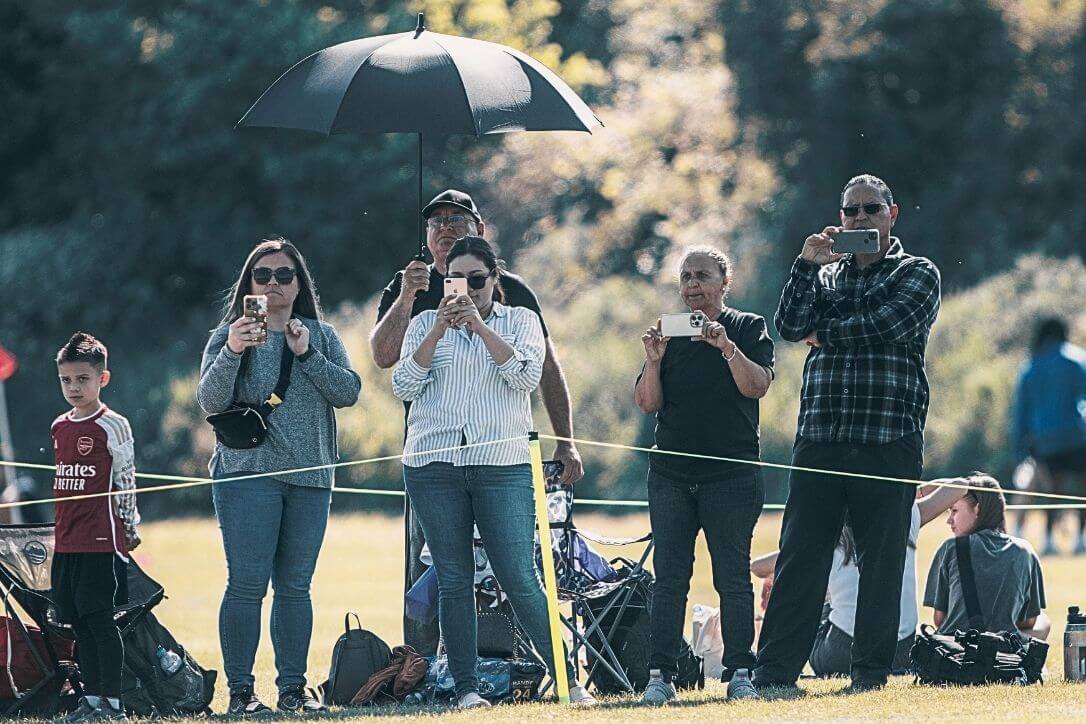
The TV that's always turned off
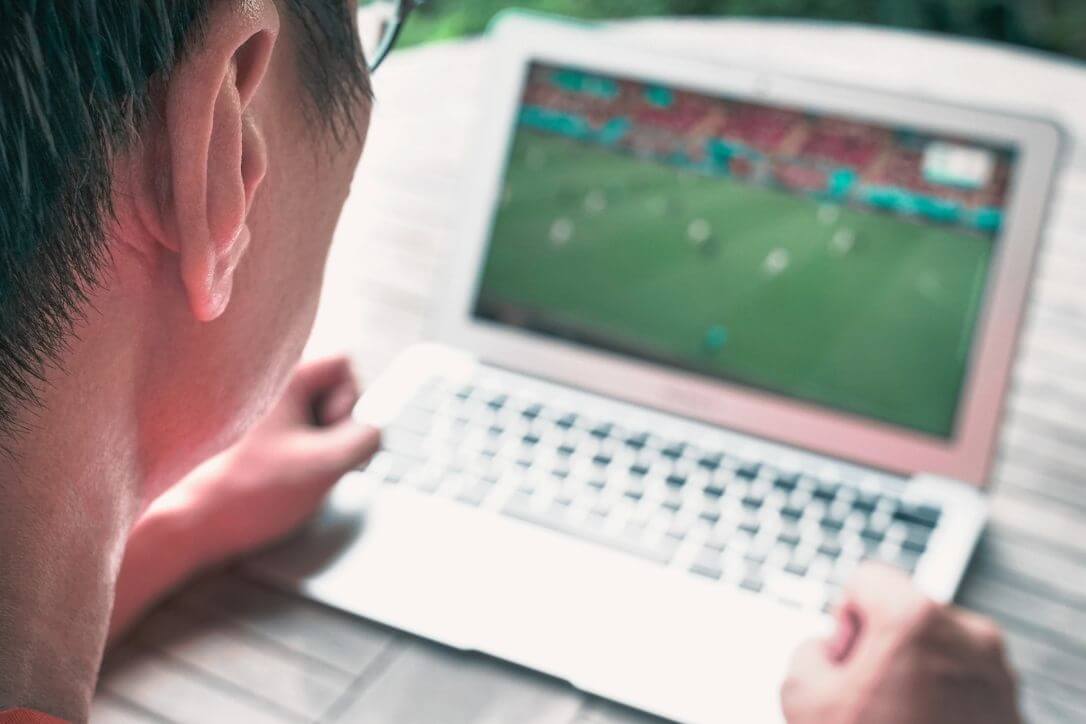
Max Bateman, who leads performance analysis at Edge In Sport (EIS), explains it simply. He often sees parents spend money on match footage but then not use it. Saying, "It's as if having a TV, but it's always turned off," The footage is there, but on its own, it's a wasted development opportunity.
Now, this isn’t meant as criticism of parents. It’s just a point about what filming grassroots football really offers. Raw match footage shows what happened, but doesn’t tell you what to do next. Kids watching themselves usually look for goals, times they touched the ball, or maybe a big mistake. At twelve, they won’t draw detailed conclusions about their positioning or body shape. To be fair, most adults wouldn’t either.
Footage becomes helpful when someone experienced sits with the player and says, "Here, watch this run." Then they look at the player’s body shape, the timing of their movements, and where they end up a few seconds later. That’s analysis. The video is just the starting point.
When does it actually become useful?
Bateman has a clear view on age, and it’s important to mention. For kids under twelve, he says they should just play football. He doesn’t mind if children watch their own games now and then; most do and enjoy it. That said, he thinks true analysis, looking at decisions and patterns, is best from about twelve onwards. Before that, the focus should be on having fun, playing often, and keeping things light.
This advice isn’t about keeping anyone out. It’s based on what we know about how young players grow. At ages eight, nine, or ten, the most important things are getting touches on the ball, playing with friends, and freedom. Even Bateman says it’s possible to learn too much too soon.
Around age twelve, things start to change. Players begin to see themselves as footballers. They have favourite positions and an idea of what they’re good at, what they enjoy doing, and what’s hard for them. At this stage, structured feedback can really help, as long as it’s given in the right way.

What good actually looks like
If your twelve-year-old wants to get more serious about football and you’re thinking about paying for individual analysis, it’s more important to know what makes a service useful than just where to find one. Edge In Sport founder, Chris Fallon, had this problem. When his daughter needed help, he couldn’t readily find it. So, he built a solution. Nowadays, there are a handful of potential options, but signs of good service are hard to spot.
Useful analysis at this stage is short. A four-to-six-minute clipped package with the analyst's commentary embedded is watched. It’s a conversation, not a declarative. A good analyst will hold their ground but should be open to alternative opinions or understanding. A junior footballer who has been talked at, in the language of a Premier League team meeting, will switch off by the end of the first session.
The person doing the analysis is the most important factor. Someone with professional experience, who has worked at a high level, will notice things that parents or volunteers might miss. EIS, where Bateman works, is one example of a team that creates this kind of material. The best performance analysis services have people who’ve worked with adult players before focusing on youth. Yes, Fallon, Bateman and EIS work with international players and Premier League stars, but the team's approach also serves the grassroots game, delivering the same cost-effective benefits.
It’s important to be clear: at age twelve, video analysis works best when combined with something else. A good one-to-one technical skills coach who regularly watches your child in person will often help them develop more with a clear visual reference. Analysis is most effective as a support for coaching, helping the coach spot patterns to work on during practice. On its own, it does work, but it can have a greater impact when paired with others.
Sometimes parents need help
Unfortunately, being an involved parent doesn’t make someone a qualified coach or a structured analyst. Bateman says, "Mums are great, dads are great”, but parents who watch from the sidelines each week often become what he calls sofa fans. Their feedback is caring, but usually not technical.
That’s okay. Parents don’t need to be the analyst. Their role is to create the right environment for good analysis to happen. This mostly means staying calm after the game, not giving a detailed review on the way home, and trusting that the right people, working at the right pace, will help their child improve at football.
There’s also a financial side that parents often overlook. If you’re paying for a recording subscription, a coach, occasional analysis, and other extras, it’s worth stopping every few months to check which ones your child is actually using, what you’re getting the most out of, and which are unused.
A subscription that no one uses is no different from not having one at all. The same goes for any other service.

The honest version
Young player development doesn’t follow a straight path. Kids grow at different rates, get injured, lose interest for a while, find it again, change positions and technically improve or stall more than once in a season. The roles of parents, coaches, and sometimes analysts are to remove barriers to enjoyment and provide helpful information when the player is ready. In the new formats and directives from the FA, some game results are ignored; the end results of a young player's enjoyment and progression shouldn't be.
When used well, video is a helpful tool. If used poorly, it’s just like a TV that no one watches. Knowing the difference is the key.
Related content


"Dad, I Think I'm Rubbish at Football": How a performance analysis company started
 05:28
05:28
Being Europe's most wanted 15 year old footballer
Related content
football parent story
"Dad, I Think I'm Rubbish at Football": How a performance analysis company started
by mads timm
Being Europe's most wanted 15 year old footballer
More exclusives

 04:39
04:39
Managers can destroy squads without even knowing it
 02:06
02:06
Neuroscience tackles Champions League travel fatigue for players
 05:28
05:28
Being Europe's most wanted 15 year old footballer
 59:05
59:05
MOMENTS THAT COULD'VE CHANGED FOOTBALL FOREVER

Share


